Protect Your Home with Expert Mold Inspection Services
Mold growth can compromise the air quality in your home and potentially lead to health issues. Identifying mold early is crucial for maintaining a healthy living environment. Our professional mold inspection services provide a thorough assessment of your property, helping to detect hidden mold and prevent further damage.
Why Choose Professional Mold Inspection?
Attempting to handle mold problems without proper expertise can be risky and ineffective. Professional mold inspection offers several key benefits:
- Accurate Identification: Trained inspectors can identify different types of mold and assess the extent of the problem.
- Hidden Mold Detection: We use specialized equipment to detect mold growth behind walls, under floors, and in other concealed areas.
- Prevention of Spread: Proper inspection techniques prevent the accidental spread of mold spores during the assessment process.
- Comprehensive Reporting: You’ll receive a detailed report outlining our findings, including the location and type of mold, along with recommendations for remediation.
Our Mold Inspection Process
Our comprehensive mold inspection process is designed to provide you with a clear understanding of the mold situation in your home:
- Visual Assessment: We conduct a thorough visual inspection of your property, looking for signs of mold growth and water damage.
- Moisture Detection: Using moisture meters and thermal imaging, we identify areas with elevated moisture levels that could support mold growth.
- Air Sampling: We collect air samples to determine the concentration of mold spores in the air and identify the types of mold present.
- Surface Sampling: If visible mold is present, we collect surface samples to confirm the type of mold and assess its severity.
- Detailed Reporting: We provide a comprehensive report with our findings, including photos, lab results, and recommendations for mold inspection and remediation.
The Importance of Timely Mold Inspection
Addressing mold issues promptly is essential for protecting your health and preventing costly property damage. Mold can grow quickly in damp environments, so early detection is key. Regular mold inspection can help you:
- Protect your family’s health by preventing exposure to harmful mold spores.
- Prevent structural damage to your home caused by mold growth.
- Maintain the value of your property by addressing mold issues early.
- Improve indoor air quality and create a healthier living environment.
If you suspect mold growth in your home, don’t wait. Contact us today to schedule a professional mold inspection and take the first step towards a healthier home.
Our New York Mold Services
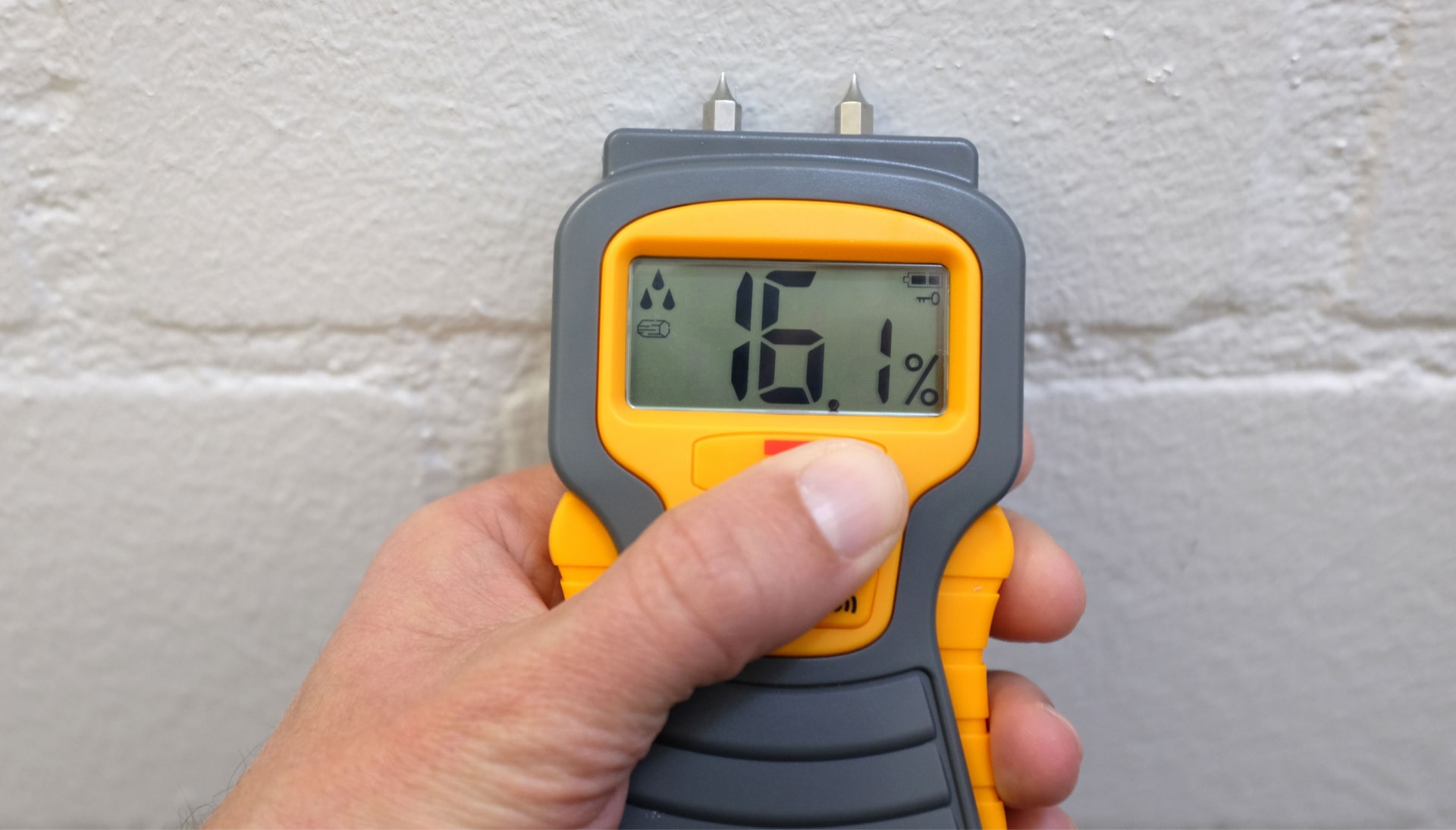
Mold Testing in New York
We offer no-obligation testing to see if your home or building is infected with mold. Call us or complete our contact form today for your no-risk quote!
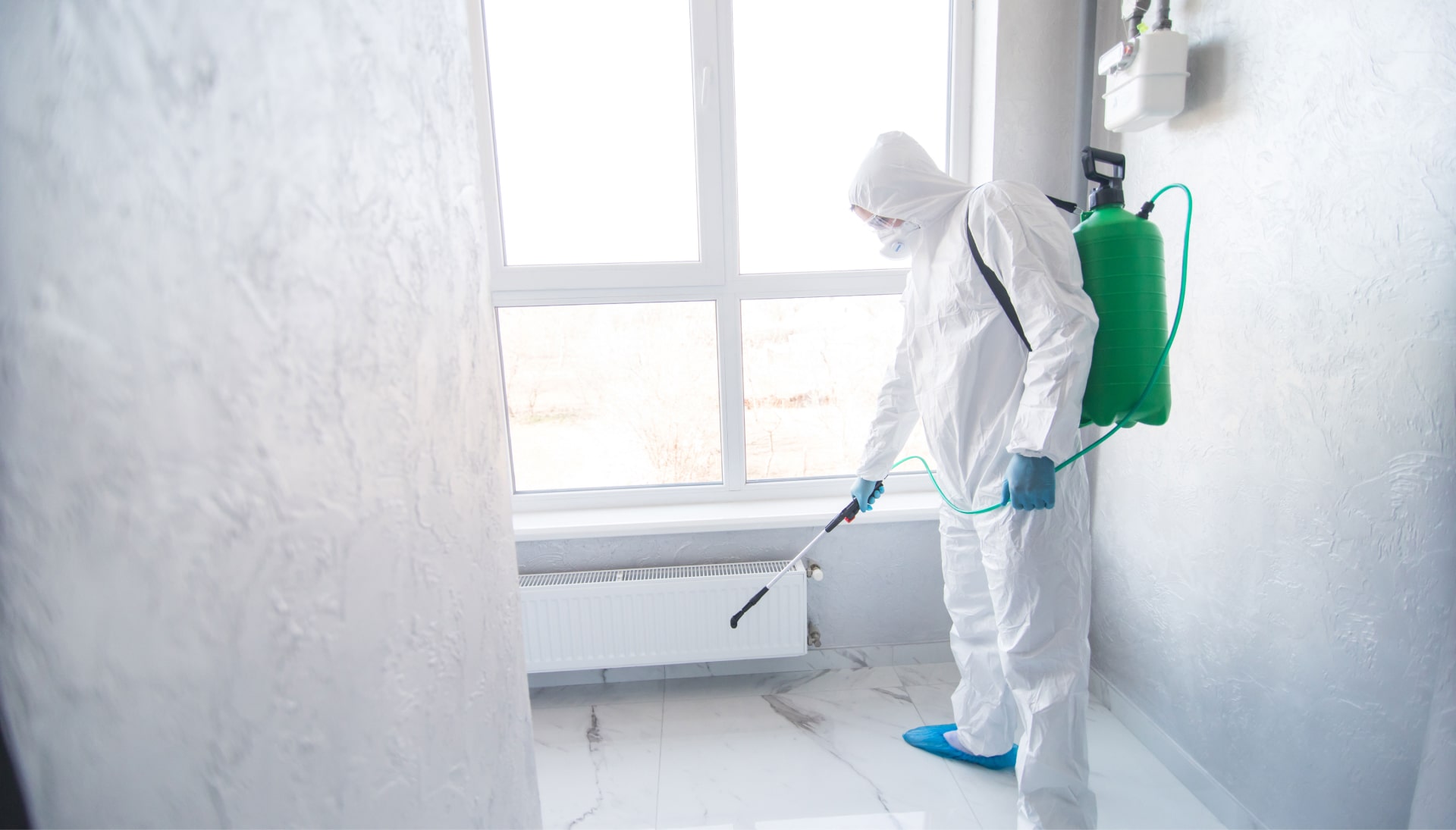
Mold Inspections
During the mold inspection, we inspect your entire New York property and look for signs of mold growth.
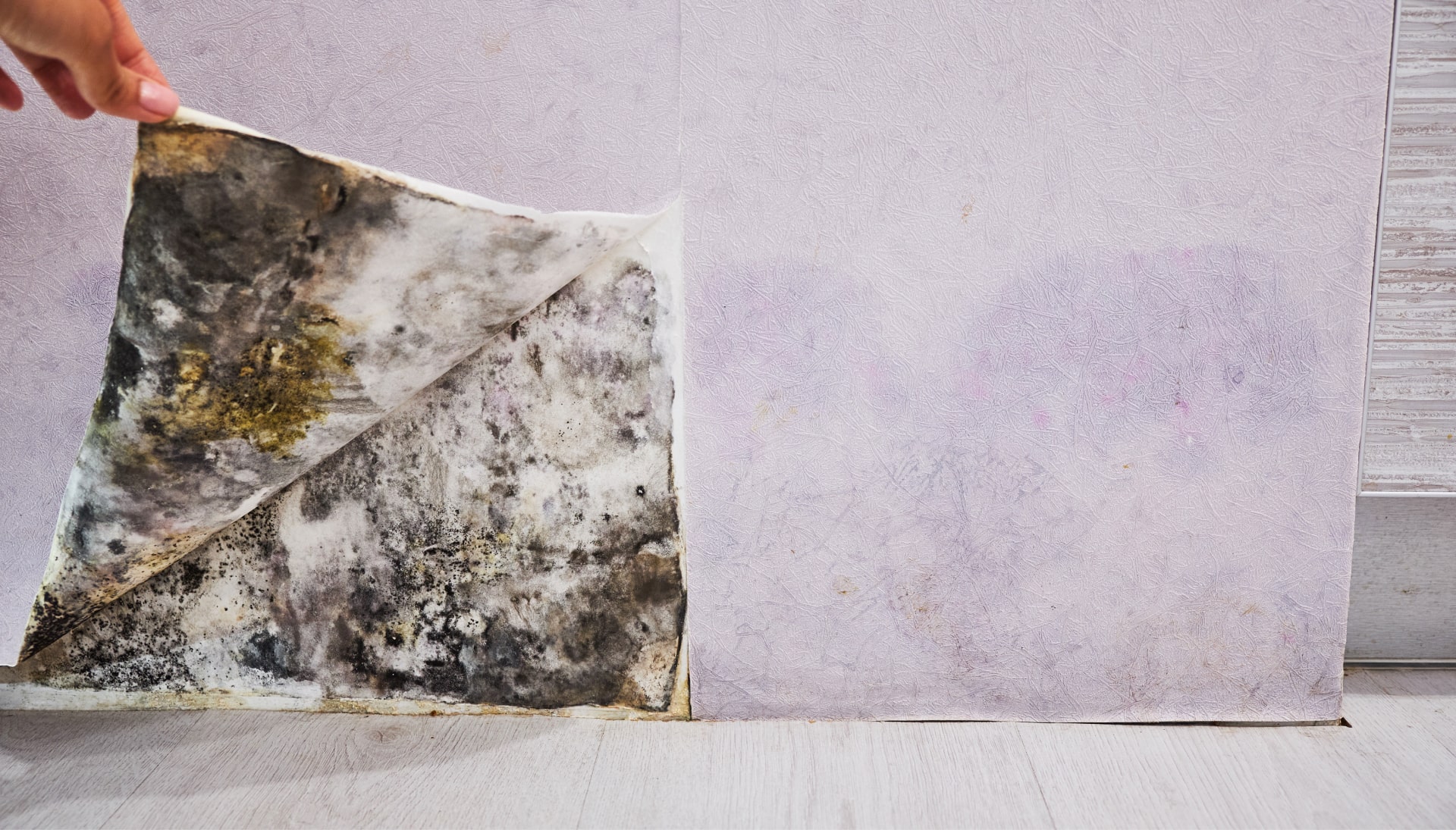
Mold Removal and Remediation
It’s crucial for you to entrust a professional New York, New York mold company for the mold removal job.

Testing Indoor Air Quality
The indoor air quality of your New York property is extremely important for your health and wellness. Make sure your air is safe to breath.
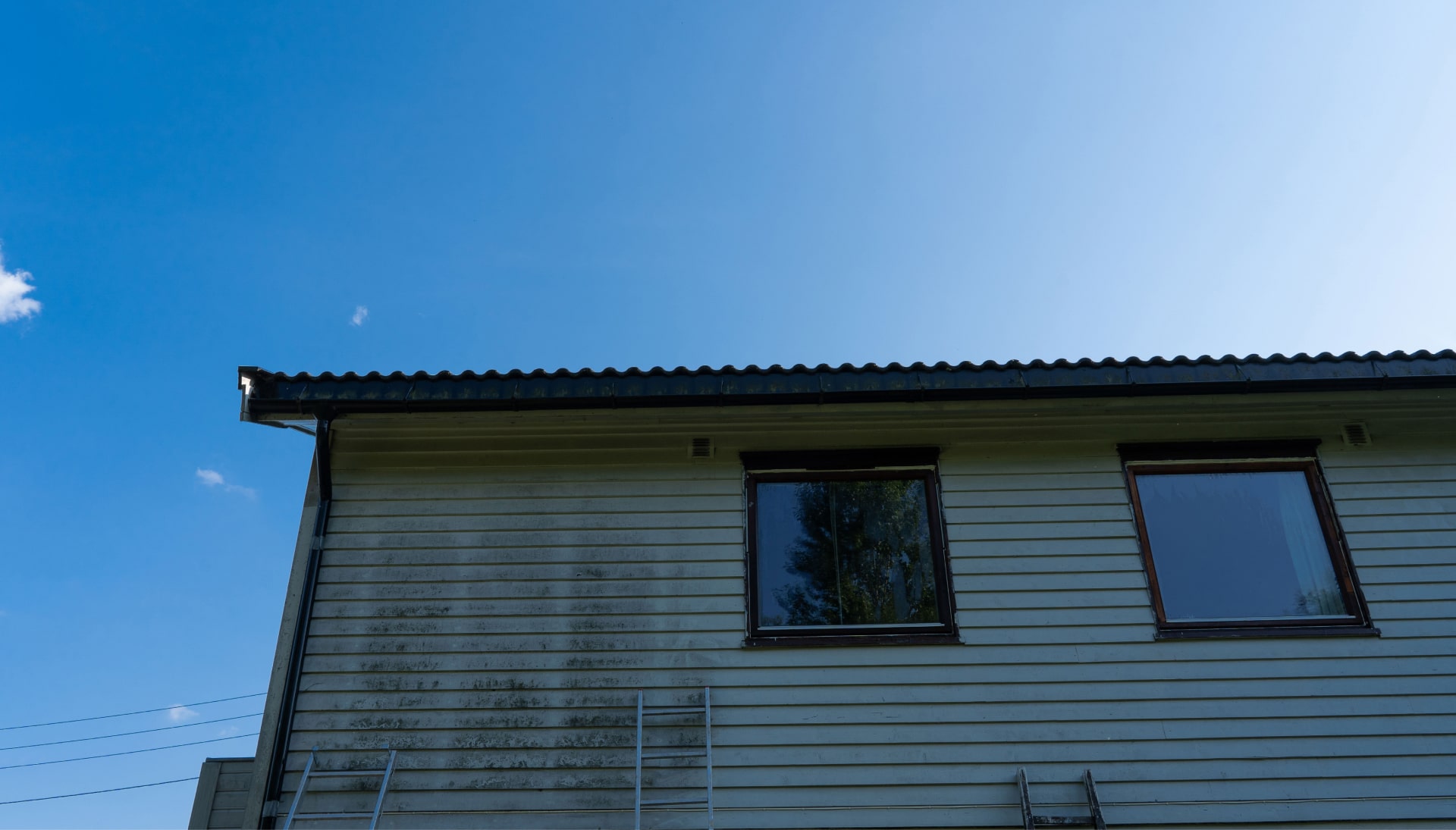
Residential Mold Removal Service
Since we have a skilled team with state-of-the-art equipment, we take pride in our New York, New York mold remediation services for residential spaces.

Commercial Mold Removal Service
People in a workplace should not be exposed to mold and mildew as it can affect their health negatively while creating an unhealthy environment. Contact us to ensure your New York workplace is safe.
Is Mold Lurking in Your Home?
Mold growth in your home or business can lead to a range of problems, from unpleasant odors and unsightly damage to potential health concerns. Identifying mold early is crucial for maintaining a healthy and safe environment. If you suspect mold, professional mold inspection services can provide the answers you need.
Why is Mold Inspection Important?
Mold thrives in damp, humid environments, often hidden behind walls, under floors, or in poorly ventilated areas. A trained mold inspector can identify these hidden sources of mold growth using specialized tools and techniques that go beyond what a visual inspection can reveal. Here’s why a professional mold inspection is a worthwhile investment:
- Early Detection: Identifies mold growth before it becomes a major problem, preventing costly repairs and health issues.
- Accurate Assessment: Determines the type and extent of mold present, informing the most effective remediation strategy.
- Health Protection: Minimizes exposure to harmful mold spores, safeguarding the health of your family or employees.
- Peace of Mind: Provides assurance that your property is free from hidden mold problems.
What Does a Mold Inspection Involve?
A comprehensive mold inspection typically includes the following steps:
- Visual Examination: A thorough inspection of the property for visible signs of mold growth, water damage, and areas prone to moisture.
- Moisture Mapping: Using moisture meters and thermal imaging cameras to detect hidden moisture sources that could be supporting mold growth.
- Air Sampling: Collecting air samples to identify the types and concentration of mold spores present in the air. These samples are sent to a certified laboratory for analysis.
- Surface Sampling: Collecting surface samples from areas where mold growth is suspected. These samples are also analyzed by a laboratory to confirm the presence of mold.
- Detailed Report: A comprehensive report outlining the findings of the inspection, including the location and type of mold identified, moisture levels, and recommendations for remediation.
The Importance of Black Mold Inspection
Stachybotrys chartarum, commonly known as black mold, is a type of mold that can produce mycotoxins, which are toxic substances that can pose significant health risks. While not all molds are toxic, black mold is particularly concerning due to its potential to cause respiratory problems, allergic reactions, and other health issues. A specialized black mold inspection focuses on identifying this specific type of mold and assessing the level of contamination.
Choosing a Mold Inspection Company
Selecting the right mold inspection company is crucial for obtaining accurate and reliable results. Look for a company that is:
- Certified: Employing certified mold inspectors who have completed accredited training programs.
- Experienced: With a proven track record of conducting thorough and accurate mold inspections.
- Equipped: Using state-of-the-art equipment and techniques to detect hidden mold growth.
- Reputable: With positive reviews and testimonials from satisfied customers.
- Independent: Offering unbiased assessments without a conflict of interest related to remediation services.
Investing in a professional mold inspection is a proactive step towards ensuring a healthy and safe living or working environment. Don’t let hidden mold problems compromise your well-being—schedule an inspection today.
Mold Testing and Inspections
Understanding Mold Inspection for Your Home
Mold, a common term for various types of fungi, thrives in damp and humid environments. Its presence in a home can lead to a range of problems, from structural damage to health issues for its inhabitants. That’s why understanding the importance of mold inspection, particularly residential mold inspection, is crucial for homeowners. Addressing mold promptly and effectively ensures a healthier and safer living environment.
Why is Residential Mold Inspection Important?
Mold isn’t just unsightly; it poses a real threat to both the building’s structural integrity and the well-being of its occupants. It can grow undetected in hidden areas like behind walls or under floors, making a professional inspection vital. Here’s why it matters:
- Health Concerns: Mold exposure can trigger allergic reactions, respiratory problems, and other health issues, especially in sensitive individuals like children, the elderly, and those with pre-existing conditions.
- Property Damage: Mold can deteriorate building materials like drywall, wood, and insulation, leading to costly repairs if left unchecked.
- Early Detection: A professional inspection can identify mold growth early, even before it’s visible, preventing further spread and damage.
- Peace of Mind: Knowing your home is mold-free provides peace of mind and ensures a healthy living environment for your family.
What to Expect During a Residential Mold Inspection
A comprehensive residential mold inspection typically involves a visual assessment of the property, moisture detection, and air sampling. Here’s a breakdown of what you can expect:
- Visual Inspection: The inspector will thoroughly examine your home, looking for visible signs of mold growth, water damage, and areas prone to moisture buildup.
- Moisture Detection: Using specialized equipment, the inspector will measure moisture levels in walls, floors, and ceilings to identify hidden moisture sources that could be supporting mold growth.
- Air Sampling: Air samples may be collected to determine the type and concentration of mold spores present in the air, providing valuable information about the extent of the problem.
- Report and Recommendations: Following the inspection, you’ll receive a detailed report outlining the findings, including the location and type of mold, moisture levels, and recommendations for remediation.
Finding the Right Mold Inspector
Choosing a qualified and experienced mold inspector is essential for accurate assessment and effective remediation. Look for an inspector who:
- Is certified by a recognized organization.
- Has experience in residential mold inspection.
- Uses state-of-the-art equipment and techniques.
- Provides a detailed and easy-to-understand report.
- Offers clear recommendations for mold remediation.
Investing in a residential mold inspection is an investment in your health and the long-term value of your property. By understanding the importance of mold inspection and taking proactive steps to address any issues, you can create a safer and healthier living environment for yourself and your family.
Mold TestingProtecting Your Business: Why Commercial Mold Inspection Matters
Mold growth in a commercial property can be a serious issue, impacting not only the building’s structural integrity but also the health and productivity of its occupants. Unlike residential properties, commercial spaces often have more complex HVAC systems and larger areas, creating diverse environments where mold can thrive undetected. Addressing mold promptly is crucial for maintaining a safe and healthy workplace, avoiding potential legal issues, and protecting your company’s assets.
Understanding the Risks of Mold in Commercial Spaces
The presence of mold in a commercial setting can lead to a variety of problems. Employees exposed to mold may experience allergic reactions, respiratory issues, and other health concerns, leading to decreased productivity and increased absenteeism. Mold can also damage building materials like drywall, carpets, and wooden structures, resulting in costly repairs. Furthermore, a mold infestation can negatively impact your company’s reputation and potentially lead to legal liabilities if employee health is affected.
Benefits of Professional Commercial Mold Inspection
Engaging a professional mold inspection service is a proactive step in protecting your business. Trained inspectors can identify hidden mold growth, assess the extent of the contamination, and determine the moisture sources that are contributing to the problem. Here’s how a commercial mold inspection can benefit your business:
- Early Detection: Inspectors use specialized equipment to detect mold growth behind walls, under floors, and in other hidden areas before it becomes a major problem.
- Accurate Assessment: A professional inspection provides a detailed assessment of the type and concentration of mold present, enabling targeted remediation efforts.
- Moisture Source Identification: Addressing the underlying cause of mold growth, such as leaks or humidity issues, is crucial for preventing future infestations.
- Health and Safety: By identifying and addressing mold issues, you can protect the health and safety of your employees and customers.
- Compliance: Certain industries and regions have specific regulations regarding indoor air quality and mold. A professional inspection can help you ensure compliance.
What to Expect During a Commercial Mold Inspection
A typical commercial mold inspection involves a thorough visual examination of the property, moisture testing, and air sampling. Inspectors will assess areas prone to moisture, such as bathrooms, kitchens, and HVAC systems. Air samples are collected to determine the presence and concentration of airborne mold spores. The information is then compiled into a detailed report outlining the findings, including the type of mold identified, the extent of the contamination, and recommendations for remediation.
Taking Action After the Inspection
If mold is detected during the inspection, the next step is to develop a comprehensive remediation plan. This involves containing the affected area, removing the mold-contaminated materials, and cleaning and disinfecting the space. It’s crucial to hire a qualified mold remediation contractor to ensure the job is done safely and effectively. After remediation, a follow-up inspection is recommended to verify that the mold has been successfully removed and that the underlying moisture issue has been resolved.
Mold InspectionsResidential Mold Removal Services
Is That Dream Home *Really* Healthy? The Importance of a Mold Inspection
Finding the right home is a big decision. You’re picturing furniture, planning renovations, and imagining life within those walls. But what if something invisible lurks beneath the surface, threatening your family’s health and your investment? Mold, a common yet often overlooked problem, can turn your dream home into a nightmare. That’s where a professional mold inspection comes in, offering peace of mind and protecting your well-being.
Why a Visual Inspection Isn’t Enough
While a quick walk-through might reveal obvious signs of mold, such as visible growth or a musty odor, these are often just the tip of the iceberg. Mold can hide behind walls, under floors, and in attics or crawl spaces, making it difficult to detect without specialized equipment and expertise. A certified mold inspector knows where to look and what to look for, using moisture meters, thermal imaging, and other tools to identify hidden mold growth and moisture sources that contribute to mold problems.
The Benefits of a Pre-Purchase Mold Check
A pre-purchase mold check is an essential part of the home buying process, especially if you have any concerns about moisture or previous water damage. It can:
- Protect Your Health: Mold exposure can trigger allergies, asthma, and other respiratory problems. A mold inspection helps identify potential health hazards before you move in.
- Save You Money: Mold remediation can be expensive. A mold inspection can uncover hidden problems that could lead to costly repairs down the road.
- Provide Peace of Mind: Knowing that your new home is free of significant mold contamination allows you to move in with confidence.
- Negotiate a Better Deal: If mold is found, you can use the inspection report to negotiate repairs or a price reduction with the seller.
What to Expect During a Mold Inspection
A thorough mold inspection typically involves the following steps:
- Visual Examination: The inspector will carefully examine all accessible areas of the home for visible signs of mold growth, water damage, and moisture intrusion.
- Moisture Mapping: Using moisture meters, the inspector will identify areas with elevated moisture levels, which can indicate potential mold growth.
- Thermal Imaging: Thermal cameras can detect temperature differences that may indicate hidden moisture or mold behind walls or ceilings.
- Air Sampling (Optional): Air samples may be collected to determine the type and concentration of mold spores present in the air.
- Report Generation: The inspector will provide a detailed report outlining their findings, including any areas of concern and recommendations for remediation.
Don’t Wait Until It’s Too Late
Mold problems can escalate quickly, causing significant damage to your home and impacting your health. A proactive approach is always best. Whether you’re buying a new home or simply concerned about potential mold growth in your existing property, a professional mold inspection is a wise investment. It’s a small price to pay for the peace of mind that comes with knowing your home is a healthy and safe environment for you and your family.
Investing in a pre-purchase mold check is not just about identifying a potential problem; it’s about safeguarding your health, your investment, and your future happiness in your home.
Residential Mold Removal Services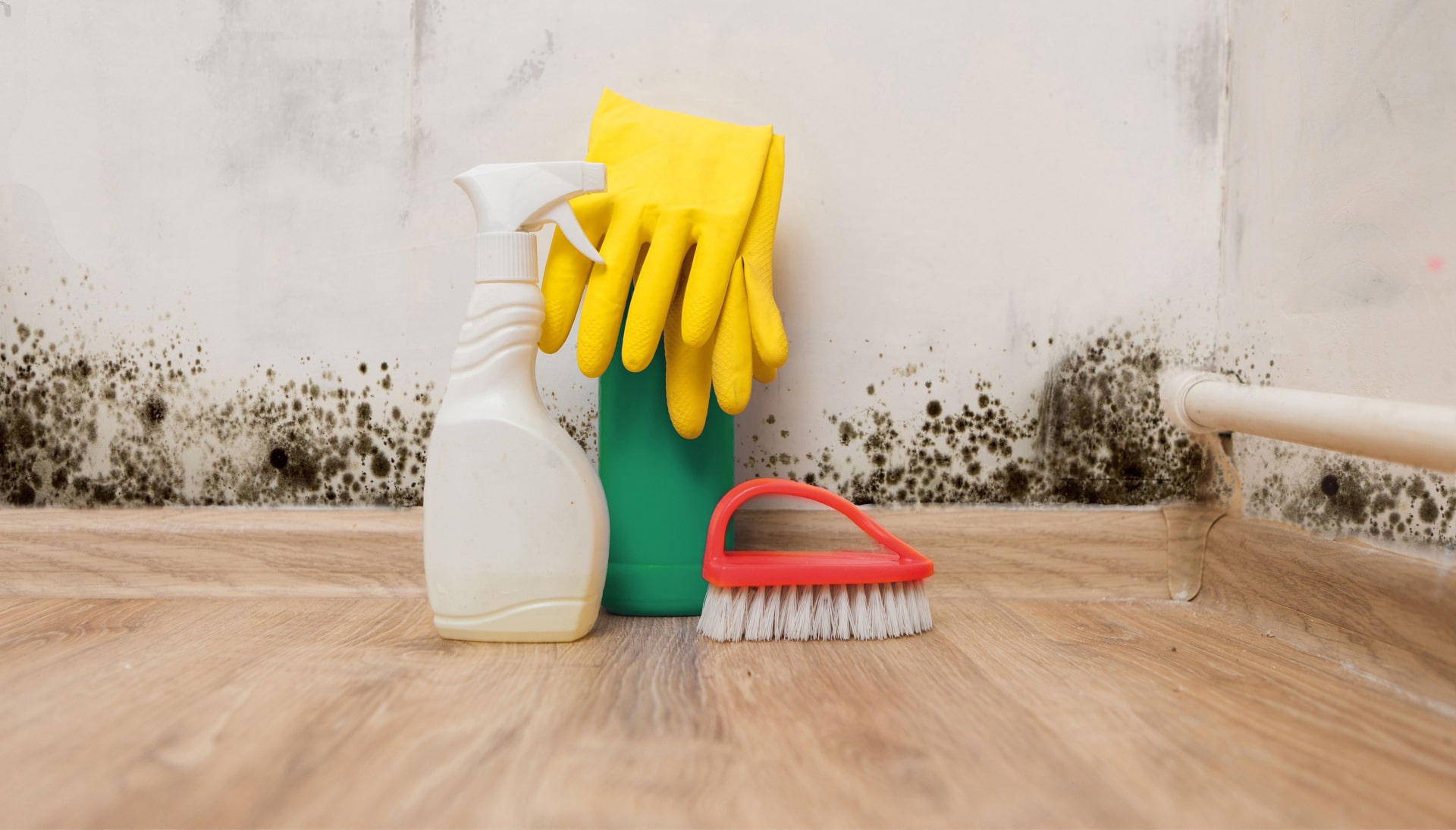
Commercial Mold Removal Services
Ensuring a Safe Home: Understanding Mold Inspection
Mold growth in your home can be a serious concern, affecting both the structural integrity of your property and the health of its inhabitants. Mold thrives in moist environments and can quickly spread, leading to costly remediation efforts if not addressed promptly. Understanding the importance of professional mold inspection is the first step in protecting your family and investment.
Why Professional Mold Inspection Matters
While visual signs of mold, such as discoloration or musty odors, can be indicative of a problem, they don’t always tell the whole story. Mold can hide behind walls, under floors, and in other concealed areas, making it difficult to detect without specialized equipment and expertise. A certified mold inspector can identify hidden mold, assess the extent of the contamination, and provide recommendations for effective remediation.
- Comprehensive Assessment: Professional inspectors conduct thorough evaluations of your property, using moisture meters, thermal imaging, and other tools to detect hidden mold and moisture sources.
- Accurate Identification: Different types of mold pose varying health risks. Inspectors collect samples for laboratory analysis to determine the specific species present, allowing for targeted remediation strategies.
- Preventative Measures: Beyond identifying existing mold, inspections can pinpoint underlying moisture issues that contribute to mold growth, helping you prevent future problems.
The Mold Inspection Process
A typical mold inspection involves several key steps:
- Visual Examination: The inspector will conduct a visual assessment of the property, looking for signs of mold growth, water damage, and other potential problem areas.
- Moisture Detection: Using moisture meters and thermal imaging, the inspector will identify areas with elevated moisture levels, which can indicate hidden mold growth.
- Sampling: If mold is suspected, the inspector will collect air and surface samples for laboratory analysis. These samples will determine the type and concentration of mold spores present.
- Reporting: Following the inspection, you’ll receive a detailed report outlining the findings, including the location and extent of any mold contamination, as well as recommendations for remediation.
After Remediation: Post-Remediation Verification
Mold remediation involves removing existing mold and addressing the underlying moisture issues that caused it. However, it’s crucial to ensure that the remediation was successful. Post-Remediation Verification, also known as clearance testing, is a critical step to confirm that mold levels have returned to normal and that the environment is safe. This typically involves a follow-up inspection and air sampling to verify the effectiveness of the remediation efforts. Without Post-Remediation Verification, you cannot be certain that the mold problem has been fully resolved, and potential health risks may persist. Therefore, this step is imperative.
Investing in professional mold inspection is an investment in your health, safety, and property value. By identifying and addressing mold problems early, you can prevent costly remediation, protect your family’s well-being, and maintain a healthy living environment.
Commercial Mold Removal Services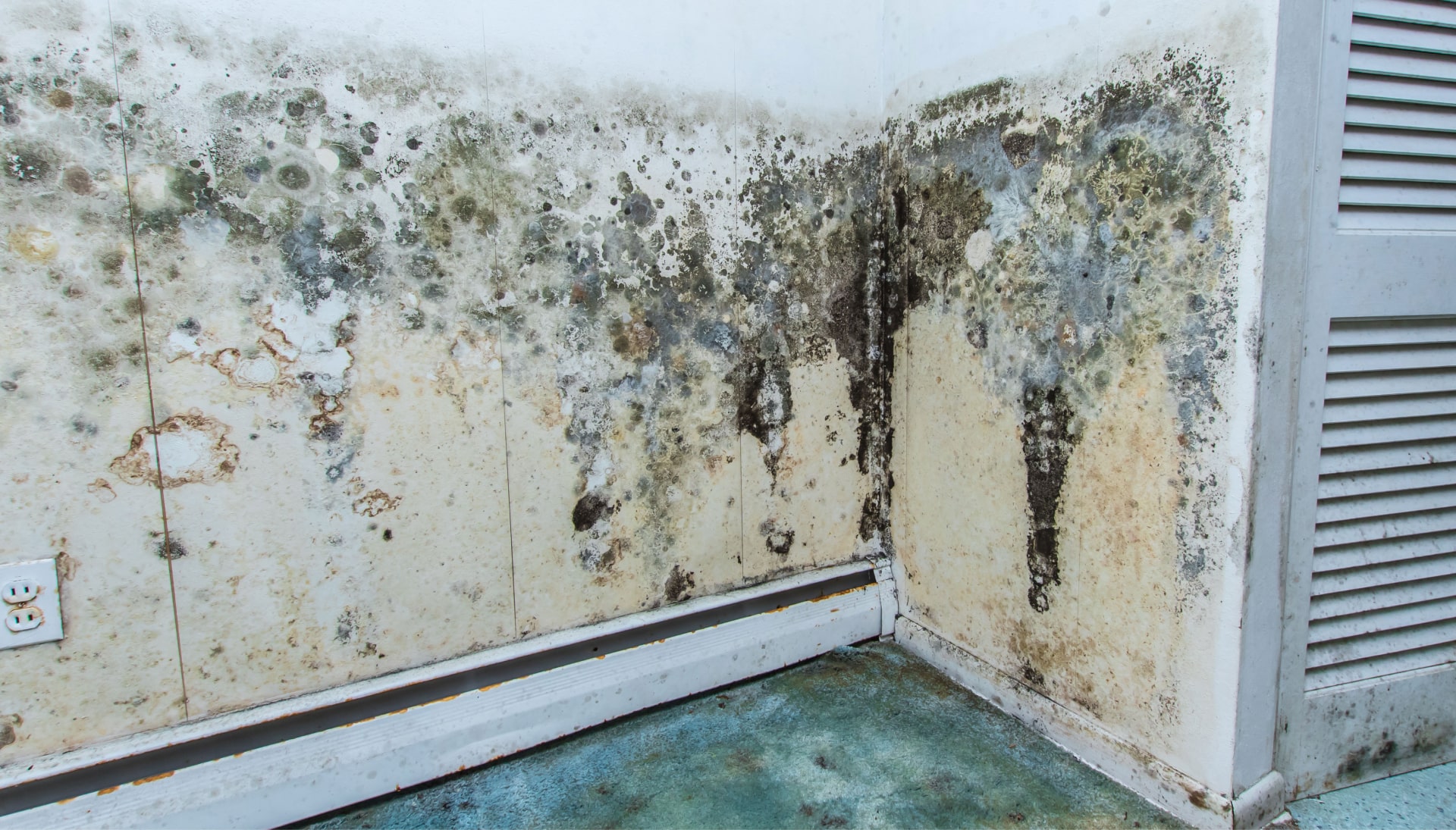
Protecting Your Home from Mold: A Comprehensive Guide
Mold can be a silent intruder, affecting your home’s air quality and potentially your health. Understanding the risks and taking proactive measures is crucial for maintaining a safe and healthy living environment. This guide provides a comprehensive overview of mold, its sources, and effective inspection and remediation strategies.
Understanding the Risks of Mold
Mold thrives in damp, humid environments and can grow on virtually any surface. It releases spores into the air, which can cause allergic reactions, respiratory problems, and other health issues, especially for individuals with sensitivities or compromised immune systems. Prolonged exposure to mold can lead to more severe health complications.
Common Sources of Mold in Homes
Identifying potential sources of mold is the first step in prevention. Common culprits include:
- Leaks: Roof leaks, plumbing leaks, and leaky windows can provide the moisture mold needs to grow.
- High Humidity: Excessive humidity in bathrooms, kitchens, and basements can create a breeding ground for mold.
- Flooding: Even minor flooding can lead to significant mold growth if not addressed promptly.
- Poor Ventilation: Inadequate ventilation in bathrooms and kitchens traps moisture, promoting mold growth.
- Condensation: Condensation on walls, windows, and pipes can create damp conditions favorable for mold.
The Importance of Professional Mold Inspection
While you can visually inspect your home for mold, a professional mold inspection offers a more thorough assessment. Certified mold inspectors use specialized equipment to detect hidden mold growth and identify moisture sources that may not be readily apparent. A professional inspection can provide valuable insights into the extent of the problem and guide effective remediation strategies.
What to Expect During a Mold Inspection
A typical mold inspection involves a comprehensive assessment of your home, including:
- Visual Inspection: The inspector will examine visible surfaces for signs of mold growth.
- Moisture Detection: Moisture meters and thermal imaging cameras are used to identify areas with elevated moisture levels.
- Air Sampling: Air samples are collected to determine the type and concentration of mold spores in the air.
- Surface Sampling: Surface samples are taken from suspect areas to confirm the presence of mold.
- Report: A detailed report is provided, outlining the findings, including the location and type of mold, moisture sources, and recommendations for remediation.
Specific Focus: Basement Mold Testing
Basements are particularly susceptible to mold growth due to their inherent dampness and lack of ventilation. Basement mold testing is a crucial step in ensuring the air quality and structural integrity of your home. Leaks, flooding, and condensation can all contribute to mold growth in basements, making regular inspections essential. Our comprehensive basement mold testing services include a thorough assessment of moisture levels, air quality analysis, and identification of potential entry points for water.
Effective Mold Remediation Strategies
Once mold has been identified, prompt and effective remediation is essential. Remediation involves not only removing the mold but also addressing the underlying moisture source to prevent recurrence. Professional mold remediation companies follow industry-standard protocols to safely and effectively remove mold and restore a healthy indoor environment.
DIY vs. Professional Mold Remediation
While small areas of mold growth may be addressed with DIY methods, larger or more widespread infestations require professional intervention. Professional remediation companies have the expertise, equipment, and training to safely and effectively remove mold, ensuring that spores are contained and the underlying moisture source is addressed. Attempting to remediate large areas of mold yourself can expose you to high concentrations of spores and potentially worsen the problem.
Preventing Future Mold Growth
Prevention is key to maintaining a mold-free home. Here are some proactive measures you can take:
- Control Humidity: Use dehumidifiers to maintain humidity levels below 60%.
- Ventilate: Ensure adequate ventilation in bathrooms, kitchens, and basements.
- Repair Leaks: Promptly repair any leaks in roofs, plumbing, or windows.
- Clean Regularly: Clean and dry damp areas promptly to prevent mold growth.
- Improve Airflow: Ensure good airflow throughout your home by opening windows and using fans.
The Long-Term Benefits of a Mold-Free Home
Investing in mold inspection and remediation offers numerous long-term benefits, including improved air quality, enhanced health, and preservation of your home’s structural integrity. By taking proactive measures to prevent and address mold growth, you can create a safer, healthier, and more comfortable living environment for yourself and your family.
Remember, early detection and prompt action are crucial in preventing mold from becoming a significant problem. Consider scheduling a professional mold inspection to assess your home’s risk and ensure a healthy indoor environment.